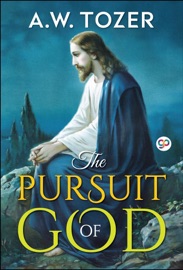
A.W. Tozer's "The Pursuit of God" is a profound, stirring classic of Christian literature that speaks directly to the deep, often unarticulated hunger of the human soul. Written during a train journey in the late 1940s, the book transcends time, offering a passionate invitation to move beyond mere religious routine and step into an intimate, living relationship with the Divine.
Tozer observes a tragic paradox in modern faith: we can possess flawlessly correct theology yet remain entirely starved of God's actual presence. With striking lucidity and pastoral warmth, he diagnoses this spiritual complacency, gently challenging readers who have substituted intellectual knowledge for a burning, experiential love of the Creator. He explores the internal barriers we build-our pride, our attachments, and the noisy distractions of the world-which prevent us from hearing God's quiet, continuous voice.
At the heart of the book is the beautiful metaphor of the torn veil. Tozer explains that the barrier between humanity and God has been removed, yet we often remain trapped behind the veil of our own ego. He urges a radical surrender of self, guiding the reader toward a posture of quiet receptivity and fierce longing.
Ultimately, 'The Pursuit of God' is a deeply humane and comforting masterpiece. It is not a rigid theological manual, but a heartfelt plea to recognize that God is always near, eagerly waiting to be discovered by anyone willing to earnestly seek Him.